
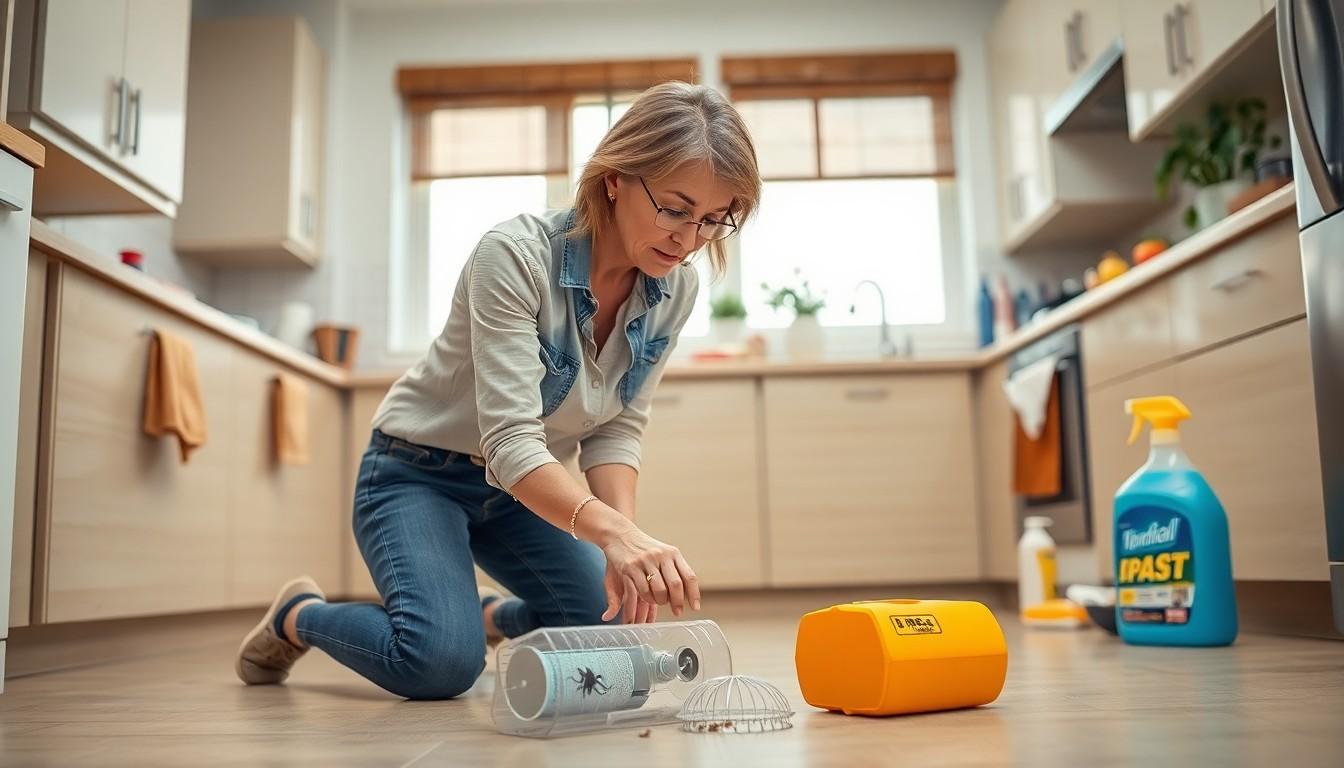
Pests can turn any cozy home into a chaotic battleground. From sneaky ants marching through the kitchen to mice staging a late-night dance party in the attic, these uninvited guests can wreak havoc on peace and comfort. But fear not! With a little know-how and the right strategies, homeowners can reclaim their space and send pests packing.
Table of Contents
ToggleImportance Of Pest Control At Home
Pest control plays a vital role in maintaining a safe and healthy living environment. Neglecting pest issues can result in significant damage to property. Termites, for example, can cause extensive structural damage, leading to costly repairs.
Health concerns arise when pests infest a home. Rodents and insects carry diseases that can affect family members and pets. Effective pest management reduces these health risks and promotes well-being.
Maintaining a pest-free home prevents food contamination. Pests, such as cockroaches and ants, can invade kitchens and contaminate food supplies. Proper pest control measures safeguard food and ensure safety for all household members.
The emotional impact of a pest infestation is significant. Homeowners often experience stress and anxiety when dealing with pests. Addressing pest problems promptly restores peace of mind and comfort.
Cost-effective pest control methods should be a priority. Prevention strategies, like sealing entry points and proper sanitation, can save homeowners money in the long run. Investing in regular maintenance can prevent larger infestations and expenses.
Additionally, pest control enhances property value. A well-maintained, pest-free home is more attractive to potential buyers. Routine pest management helps preserve the integrity and appeal of properties.
Engaging with professional pest control services provides expertise and resources. These professionals utilize effective treatments tailored to specific infestations. Relying on their knowledge ensures thorough and long-lasting results.
Pest control is not merely about convenience; it is essential for health, safety, and property value. Implementing effective pest management strategies fosters a comfortable and secure home environment.
Common Household Pests
Households often face various pest challenges, notably insects and rodents. Identifying these pests is essential for effective management.
Insects
Ants, cockroaches, and termites frequently invade homes. Ants tend to form large colonies, causing food contamination and property damage. Cockroaches can trigger allergies and spread diseases, posing health risks. Termites silently compromise wooden structures, leading to significant repair costs. Homeowners often notice signs such as droppings, nests, or damage to property, indicating an infestation. Implementing preventive measures, like sealing entry points and maintaining cleanliness, plays a vital role in controlling insect populations. Using targeted insecticides or natural repellents helps mitigate infestations while maintaining a safe environment.
Rodents
Mice and rats are common rodents found in many households. These creatures also pose serious health risks, as they can spread diseases through droppings and urine. Mice breed quickly, leading to large infestations if not managed. Homeowners may encounter gnaw marks, droppings, or nests as signs of rodent presence. Sealing cracks and using traps help control rodent populations effectively. Moreover, keeping food stored securely deters rodents from invading homes. Regular inspections and maintenance are essential for preventing rodent issues. Engaging professional pest control services can offer tailored solutions for severe infestations.
DIY Pest Control Methods
Homeowners can effectively manage pest problems using various DIY methods. Using these strategies minimizes potential infestations and maintains a healthy living environment.
Preventative Measures
Regular cleanliness stands as the most effective deterrent against pests. Sealing entry points, like cracks in walls or gaps around doors, prevents pests from entering. Proper food storage in airtight containers reduces access to potential food sources. Maintaining a dry environment also helps, as pests thrive in moisture. Checking for leaks regularly can prevent standing water. Storing firewood away from the home keeps ants and termites at bay. Lastly, yard maintenance, such as trimming overgrown vegetation, decreases pest habitats.
Treatment Options
Natural remedies can effectively treat existing pest issues. For ants, a mixture of vinegar and water repels and eliminates trails. Diatomaceous earth serves as a safe method to eradicate cockroaches and other crawling insects. Essential oils like peppermint and tea tree oil deter several pests too. For rodents, using traps baited with peanut butter helps catch mice without chemicals. Spraying a soap and water mixture targets insects while being safe for household use. Regularly monitoring and adjusting these methods ensures ongoing effectiveness against infestations.
Professional Pest Control Services
Professional pest control services offer comprehensive solutions to persistent pest problems. Homeowners facing severe infestations or health risks from pests should consider engaging these specialized services.
When To Call A Professional
Recognizing the right moment to seek professional assistance is crucial. If infestations are extensive, such as large ant trails, visible cockroach activity during the day, or constant sightings of mice and rats, calling experts becomes necessary. Additionally, when DIY methods fail to yield results or health risks become apparent due to disease-carrying pests, immediate action is required. Professionals provide tailored strategies that address specific issues, ensuring effective elimination and long-term prevention.
What To Expect From A Service
Expect thorough inspections from licensed pest control technicians. They’ll assess the extent of the infestation and identify contributing factors. Following this, customized treatment plans are implemented, which may include the use of chemicals or natural methods, depending on the situation and client preferences. Technicians also offer recommendations for ongoing prevention to protect the home in the future. Homeowners should anticipate regular follow-ups to monitor the effectiveness of treatments, ensuring pests don’t return.
Eco-Friendly Pest Control Alternatives
Eco-friendly pest control methods provide safe options for homeowners concerned about harmful chemicals. Using natural remedies can minimize health risks while effectively managing pest populations.
Essential oils, such as peppermint and tea tree oil, serve as repellents for a variety of pests. Spray solutions combining these oils with water can deter ants and spiders from invading spaces.
Diatomaceous earth acts as a natural insecticide for pest control. This powder, made from fossilized algae, dehydrates insects, effectively eliminating them without toxins.
Homemade traps offer practical solutions for specific pests. A simple mixture of baking soda and sugar effectively attracts and kills cockroaches without harmful side effects.
Beneficial insects can assist in controlling pest populations. Ladybugs and predatory wasps naturally prey on pests like aphids, offering a sustainable solution for gardeners.
Planting pest-repellent flora, like marigolds and lavender, creates a natural barrier against insects. These plants release scents that deter pests, aiding in prevention efforts.
Garlic spray can also provide an organic alternative for pest control. Mixing crushed garlic with water creates a pungent spray that repels garden pests effectively.
Establishing proper waste disposal practices reduces food sources for pests. Secure trash bins and compost can prevent attractions that lead to infestations.
Maintaining a clean environment is crucial to minimizing pest problems. Regularly vacuuming and wiping surfaces eliminates crumbs and residues that attract pests.
Choosing eco-friendly pest control alternatives enhances home safety while supporting environmental health. Implementing these strategies creates a less daunting living environment without the extensive use of chemicals.
Effective pest control at home is crucial for maintaining a safe and healthy living space. Homeowners can take proactive steps to prevent infestations and protect their property from damage. By implementing regular cleanliness and utilizing both DIY methods and professional services when necessary, they can keep unwanted pests at bay.
Incorporating eco-friendly solutions not only enhances home safety but also supports environmental health. With the right strategies in place, homeowners can create a comfortable living environment free from the stress and risks associated with pests. Prioritizing pest management ensures peace of mind and contributes to the overall well-being of the household.

